
Aluminium prototype casting and small batches

We cast prototypes and small batches in aluminium, magnesium, steel and chromium-nickel (CrNi) alloys. For prototypes, we use 3D-printed sand moulds, allowing a quick transition from a 3D model to a casting without manufacturing tooling. For small batches of aluminium parts, we offer high-pressure die casting, low-pressure casting and gravity die casting.

Send a drawing and request a quoteAll services

Our casting processes

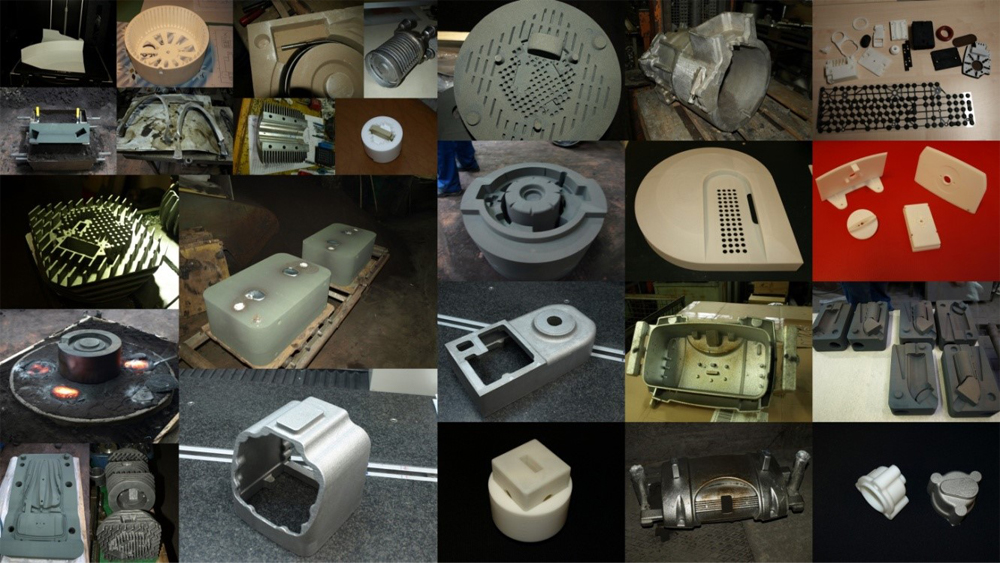
Casting in 3D-printed sand moulds. We print the sand mould directly from your 3D model, eliminating the need to manufacture a casting pattern or tooling. The process suits prototypes, functional samples, individual parts and small batches, including complex geometries. We cast aluminium, magnesium, steel and CrNi alloys.

High-pressure die casting of aluminium alloys. Molten metal is injected into a steel die under high pressure. The process suits repeatable parts with thin walls and a good surface finish when the order quantity justifies the tooling.

Low-pressure casting of aluminium alloys. Molten metal is pushed into the die using low gas pressure, allowing calm, controlled filling. The process suits parts where internal quality and casting soundness are important.

Gravity die casting of aluminium alloys. Molten metal flows under gravity into a permanent metal mould. The process suits medium production runs requiring a good surface finish and repeatability.

Sand casting. A single-use sand mould accommodates a range of sizes and shapes, often with a lower tooling investment than casting in permanent moulds.
Prototype or small batch: which should you choose?

FeaturePrototypeSmall batch
Process3D-printed sand mouldHigh-pressure, low-pressure or gravity die casting
ToolingNo separate casting pattern or tooling requiredTooling required for the selected casting process
Suitable forChecking form and function, rapid design changesRepeatable production of multiple parts

Not sure which process suits your part? Send us a drawing or 3D model and we will suggest an approach.

From enquiry to casting

  1. Enquiry. Send a drawing or 3D model, material, quantity and preferred delivery date.
  2. Review and quotation. We assess feasibility, suggest a process and agree a delivery date.
  3. Mould preparation. We print the sand mould or prepare the casting tooling.
  4. Casting. We produce the castings in the agreed alloy.
  5. Finishing and inspection. If required, we machine the castings (CNC machining) and check their dimensions (quality control).

Selected work

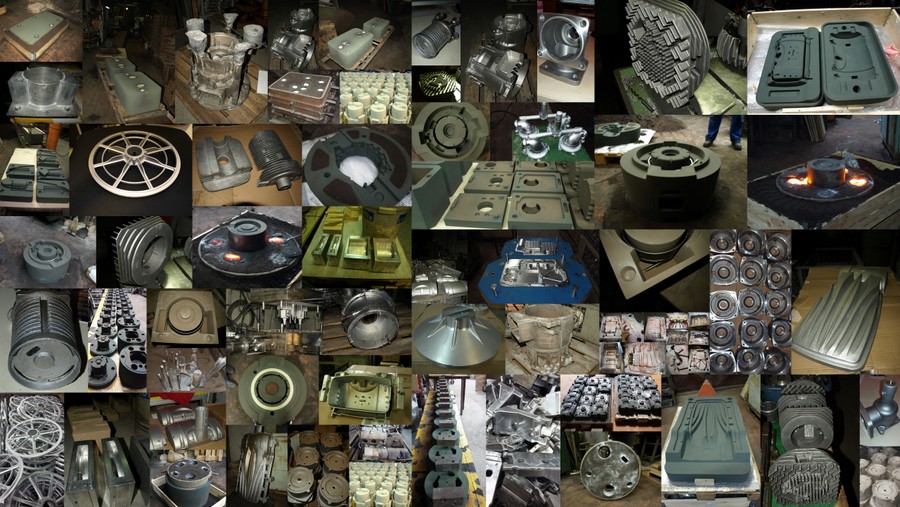
Selection of castings, patterns and casting moulds
Examples of casting moulds, cast parts and production

Frequently asked questions

Do you produce prototypes in 3D-printed sand moulds?

Yes. We use 3D-printed sand moulds for prototype casting in aluminium, magnesium, steel and CrNi alloys. The mould is made directly from the 3D model, so no separate casting pattern or tooling is required.

Which materials can you cast?

We cast aluminium, magnesium, steel and CrNi alloys in 3D-printed sand moulds. High-pressure die casting, low-pressure casting and gravity die casting are available for aluminium alloys.

What is the difference between high-pressure, low-pressure and gravity die casting?

High-pressure die casting injects molten metal into a steel die under high pressure. Low-pressure casting uses low gas pressure to push metal into the die, while gravity die casting relies on gravity to fill a permanent metal mould. The best option depends on part geometry, required casting quality and quantity. Send us a drawing and we will suggest a process.

When should I choose a 3D-printed sand mould instead of tooling?

When you need a prototype, functional sample or small quantity of parts and do not yet want to invest in tooling. If the design changes during development, you can update the 3D model without manufacturing new tooling.

How many parts can I order?

We produce prototypes and small batches. For larger quantities, contact us so we can assess feasibility.

What is the typical lead time?

Lead time depends on the process, casting size and complexity, and finishing requirements. We agree a delivery date after reviewing your enquiry.

Do you also machine and inspect castings?

Yes. We can machine castings on CNC machines and check their dimensions as part of quality control. The scope of machining and inspection is agreed against the technical documentation and requirements.

Do you also manufacture tooling for production casting?

Yes. Our toolmaking service designs and manufactures prototype and production tooling for high-pressure, low-pressure and gravity die casting of aluminium and magnesium alloys, as well as patterns for sand casting aluminium alloys.

SEND AN
ENQUIRY.

Enter your email and a short description. Add the material, quantity and preferred date if you have them.

info@vialco.si+386 31 303 204
Vialco d.o.o.
Zminec 30
SI-4220 Škofja Loka, Slovenia

Lead time and feasibility are confirmed after reviewing the documentation.

* Required field.

Please email CAD drawings and 3D models to info@vialco.si.

We use your details to respond to your enquiry: Privacy information.